
Confirm the clinician matches the license
Issue face-bound medical credentials your staff can check in seconds, online or offline.

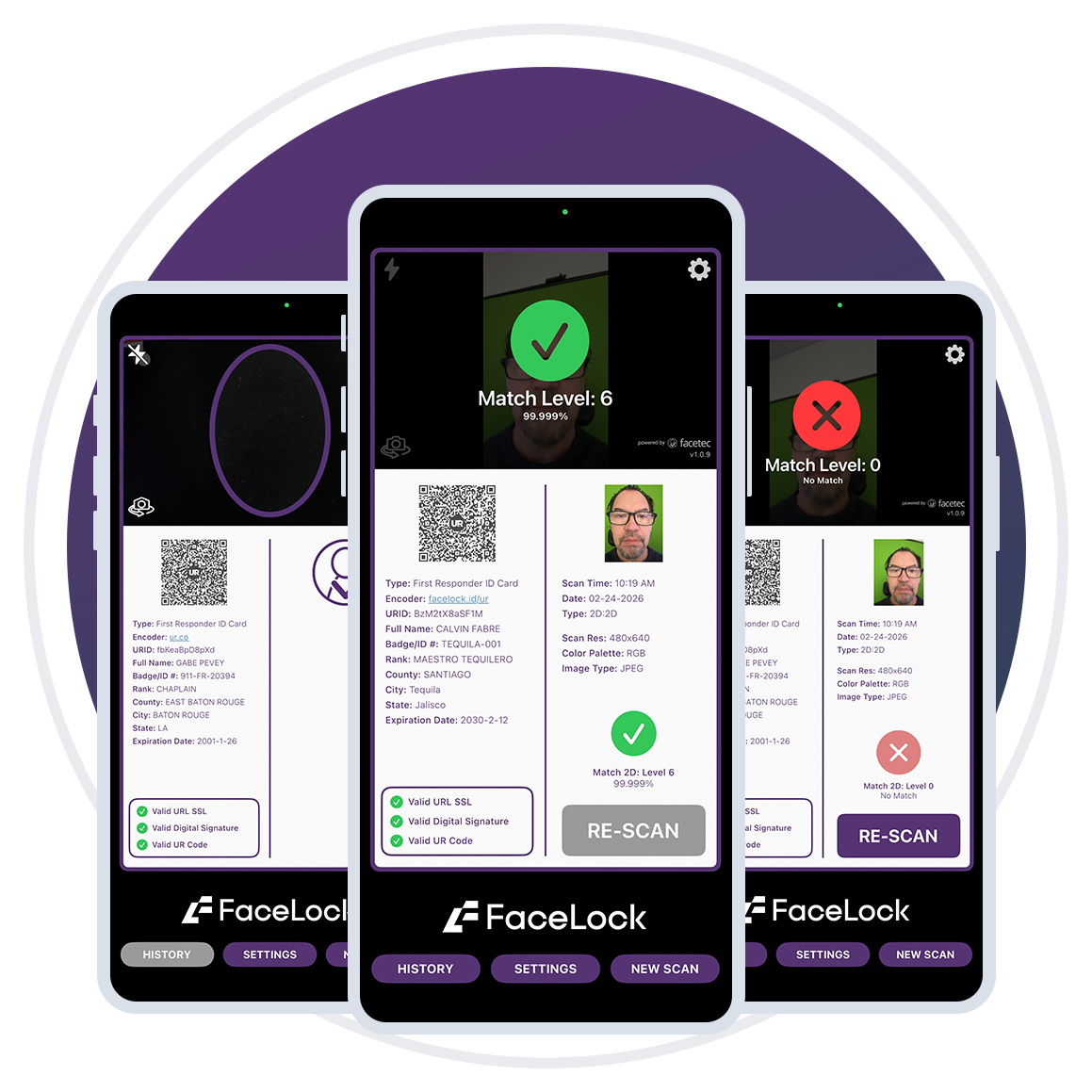
Credential checks that hold up when the network does not
Hospitals and clinics need to know a medical license belongs to the person holding it. FaceLock binds the license to a face at credentialing, then lets administrators verify it at the point of care, including during emergencies or in low-connectivity sites.
How FaceLock works for healthcare
Credentialing staff issue a biometrically bound medical credential. Your team verifies it at the point of care, with or without network access.
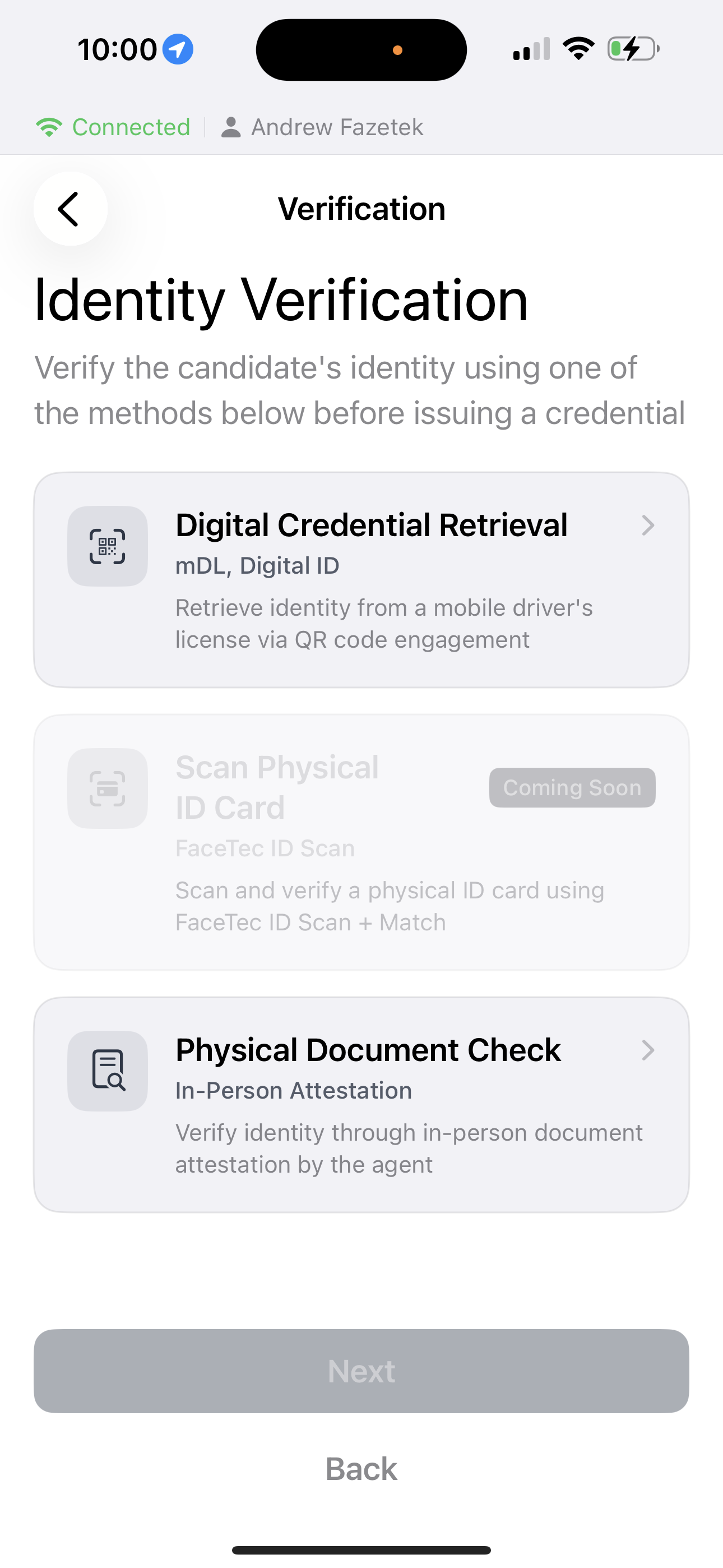
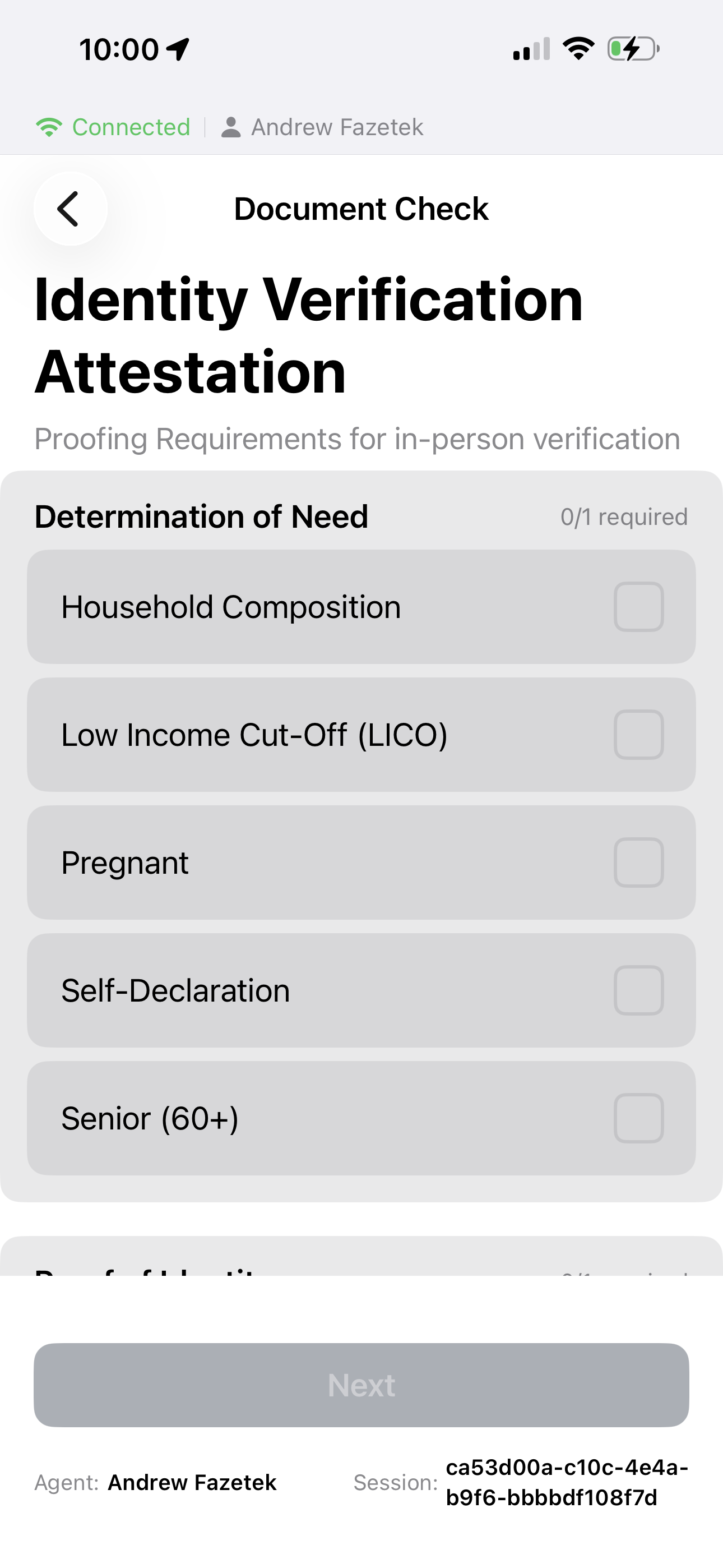
Credential clinicians at onboarding
In the FaceLock Creator app, capture the clinician's face and bind it to their verified license or certification. The credential is PKI-signed and ready to check later, without calling the licensing board again for every shift.
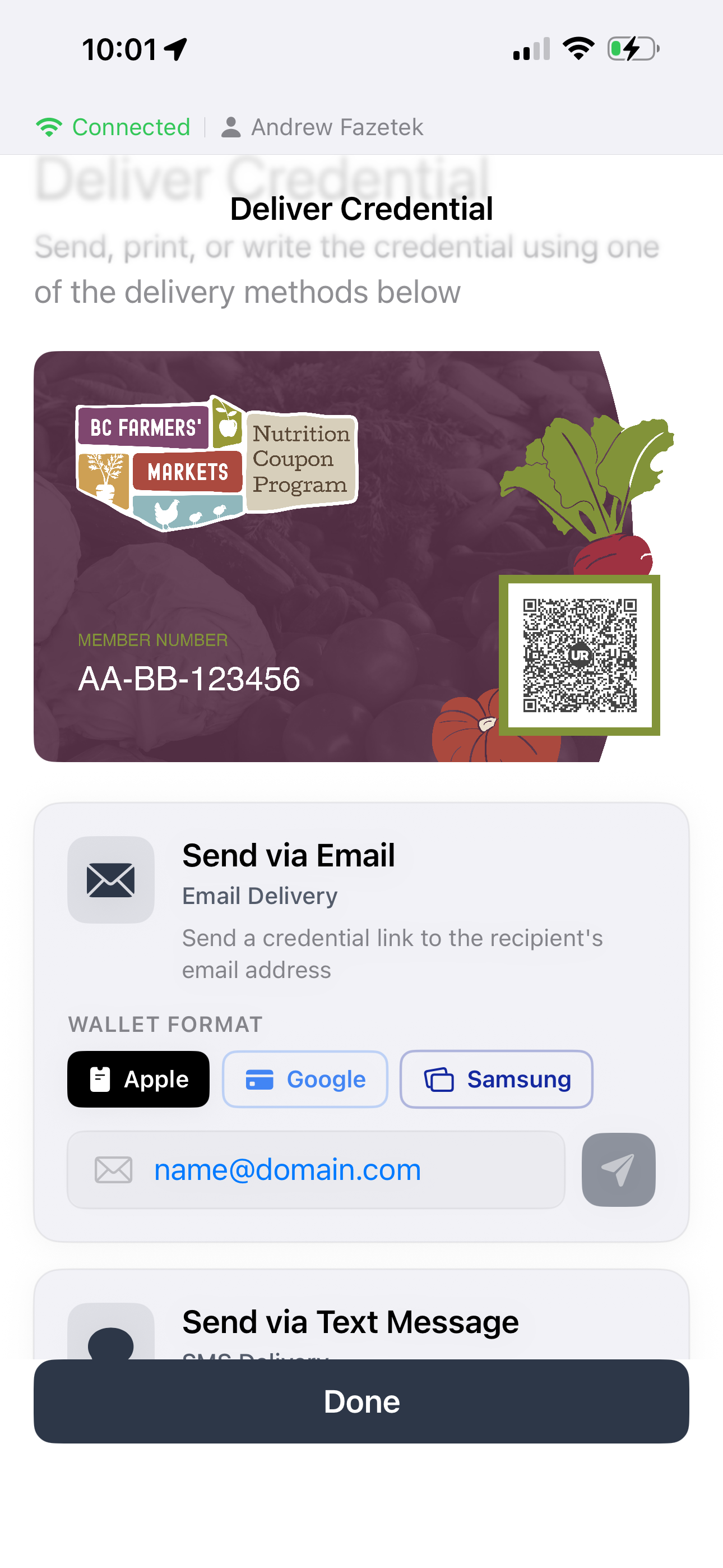
Issue digital or printed credentials
Clinicians get the same biometrically bound credential in a digital wallet or as a printed ID card. Use it for hospital check-in, ED access, or multi-site practice, including sites with no network.
Verify at the point of care in seconds
An administrator or security officer uses the FaceLock Reader app to check the credential. Biometric binding confirms the person presenting it is the license holder, before unlicensed practice reaches a patient.
What your organization gets

Emergency verification
Check medical licenses during emergencies without internet connectivity.
Stop unlicensed practice
Confirm the person providing care is the licensed professional on the credential.
Faster credentialing for travelers
Simplify checks for traveling clinicians who move across sites and shifts.
Lower fraud liability
Reduce the risk of accepting a forged or borrowed credential.
Where healthcare teams use it

Medical licenses
Board-issued licenses with face binding and offline verification

Patient identification
Patient ID cards bound to a face for stronger matching at intake
Insurance cards
Insurance credentials you can check without a phone-home lookup every time

Vaccination records
Health certificates and vaccination records with biometric binding
See how FaceLock fits clinical credentialing
Get the healthcare implementation guide, or talk with us about a pilot at your sites.