
Retail & Commerce
FaceLock: Stop Bots From Buying Out Your Drop
FaceLock proves a real person is behind every purchase, so real fans get the shoes.
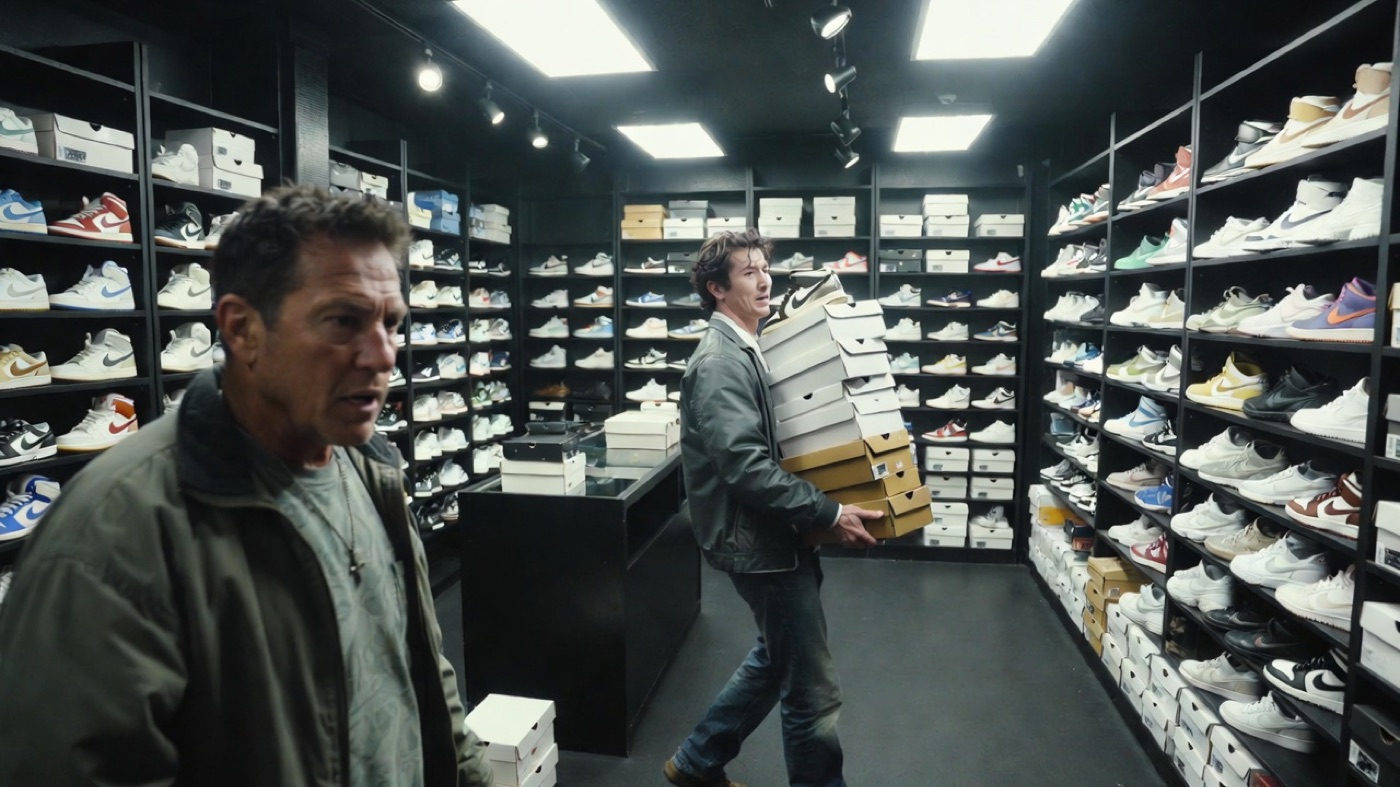
What Are Sneaker Bots?
Sneaker bots are automated software programs that simulate human behavior at massive scale. They create thousands of accounts, bypass CAPTCHA and device checks using proxies and residential IP farms, monitor restock signals, and complete checkout in milliseconds — long before any real customer can react.
The result: genuine fans and loyal customers are locked out of the very drops they camp for. Retailers lose control of their customer relationships, and brands suffer reputation damage when their most passionate community members feel the game is rigged.
Bots Win. Fans Lose.
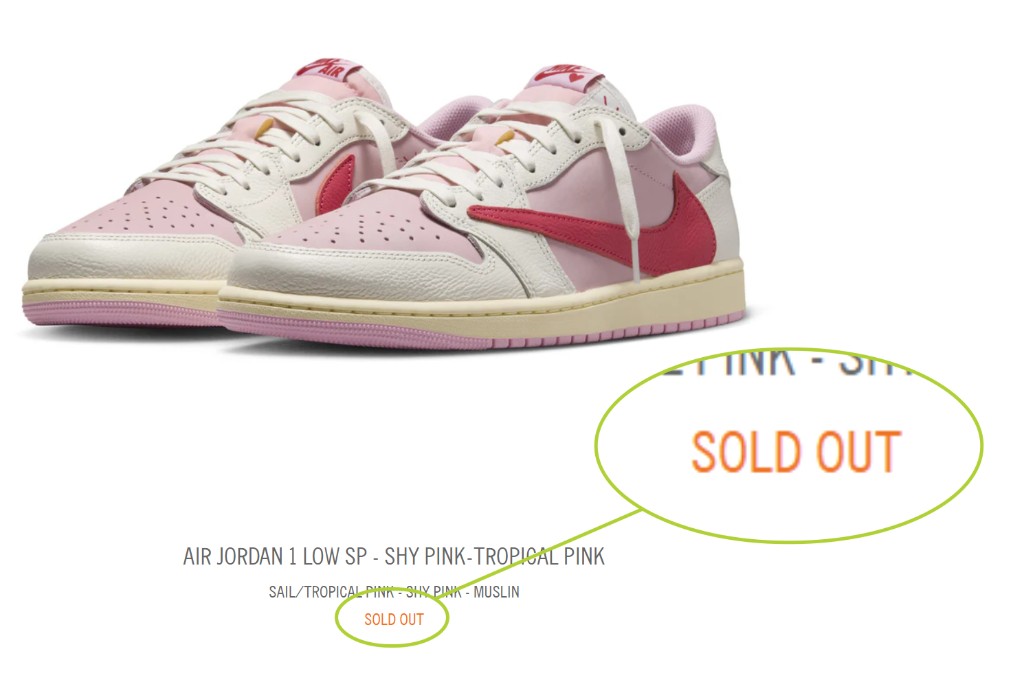
Industry Impact
Data from Nike and industry researchers shows how big the problem is.
Why This Matters
Retailer & Brand Pain
- • Lost genuine customers who feel the system is unfair
- • Support volume and chargebacks from frustrated fans
- • Brand dilution when hype is captured by scalpers instead of community
- • Legal and PR risk around perceived manipulation of drops
Consumer Expectations
- • Fans expect a real, level playing field — not a race against server farms
- • Willingness to complete a fast, private biometric step for high-value releases
- • Trust erosion when the same 50 accounts always win
- • Desire for proof that “limited” actually means limited and fair
FaceLock: The Fairness Layer for Sneaker Releases
FaceLock adds cryptographic biometric binding at two critical moments: entry into the raffle or waitlist, and physical pickup or hand-off. Liveness detection confirms a real, live human is requesting the opportunity. Biometric matching at pickup confirms the same verified person is claiming it.
How It Works: Two Phases
One verified person = One fair opportunity
1. Digital Verification (at entry)
Customer completes a fast FaceLock liveness check on their phone or kiosk. A cryptographically bound credential is issued that proves this specific live human entered the raffle or waitlist. No templates or images leave the device.
2. Pickup Verification (at store or hand-off)
At release day, the verified customer presents their FaceLock credential (digital or printed) or completes a quick on-site face match. Staff or automated kiosk confirms the presenter is the same person who entered — in seconds.
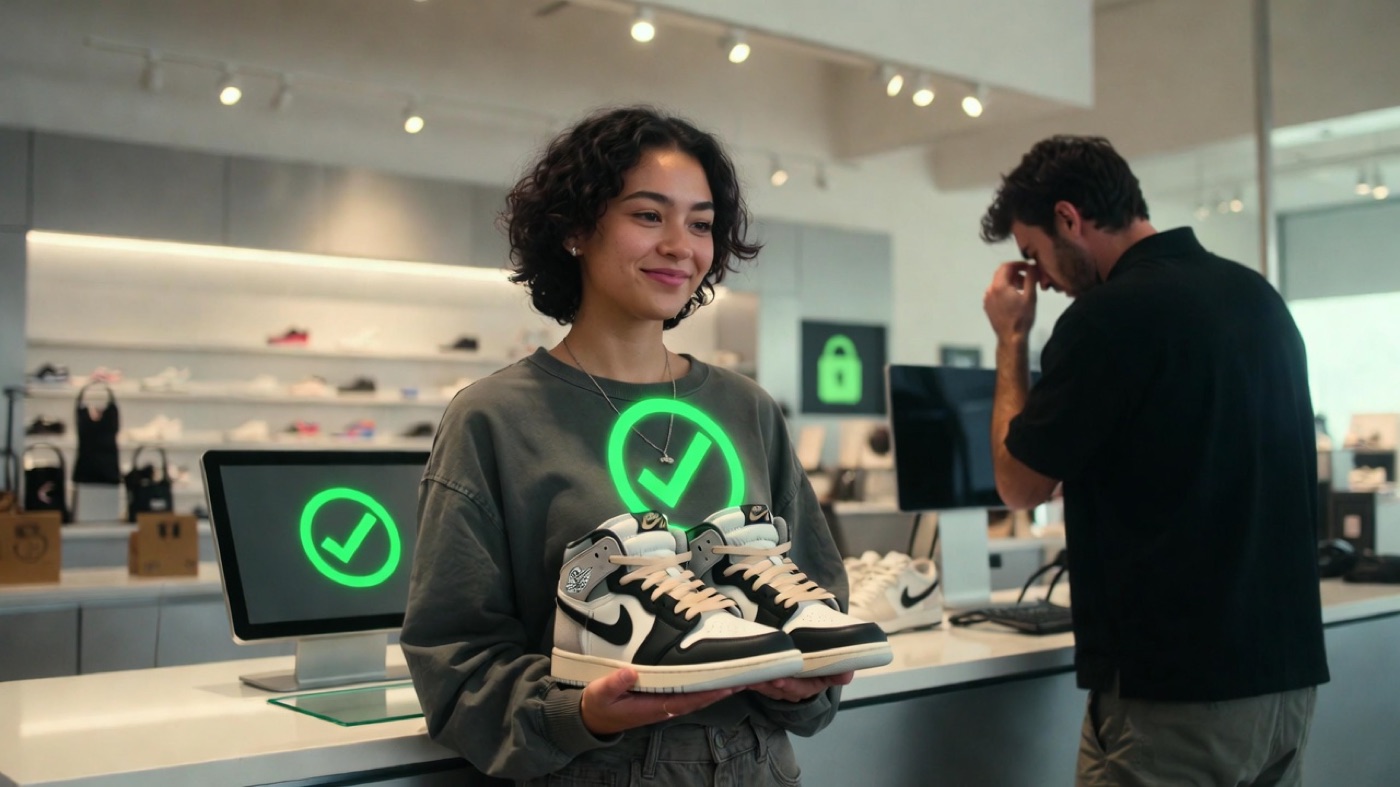
Business Benefits
For Retailers
- ✓ A higher share of real customers actually get the product
- ✓ Reduced support burden and negative sentiment from bot wins
- ✓ An audit trail for every high-demand release
For Consumers & Fans
- ✓ Realistic chance to obtain the shoes they actually want
- ✓ Simple, private, fast biometric step (no extra hardware)
- ✓ Trust that the brand respects its community
For Brands
- ✓ Hype stays with real enthusiasts instead of scalpers
- ✓ Long-term brand equity, protected from scalpers
- ✓ Data that proves fairness when questioned
Why FaceLock Wins
Bots can imitate clicks. They cannot prove human liveness.
| Feature | FaceLock | CAPTCHA / Email / Accounts | Device Fingerprinting | Basic 2FA / SMS |
|---|---|---|---|---|
| Proves live human (real-time liveness) | ||||
| Binds to persistent real-world identity | ||||
| Resists proxy farms & bot networks | Weak | Weak | ||
| Works for in-store pickup verification | ||||
| Privacy-first (no templates stored server-side) | N/A | N/A | N/A | |
| Friction acceptable for $200–$500+ drops | Low (one-time) | High (frustrating) | Medium | Medium |
Beyond Sneakers: Where This Applies
The same fairness layer applies to any high-demand, limited-quantity release where bots destroy trust: concert and festival tickets, gaming console and peripheral drops, luxury fashion and watch releases, collectible physical goods, and authenticated secondary markets.
The same two-phase check works anywhere a business needs proof that a real person, not a bot, made the purchase, using a phone or kiosk instead of new hardware at the register.
One Human. One Entry. Fair Access for All.
Give real customers a fair shot at your next drop.
Contact FaceLock to design a pilot for your next limited release, raffle, or high-demand product launch.